Dr.'s Blog
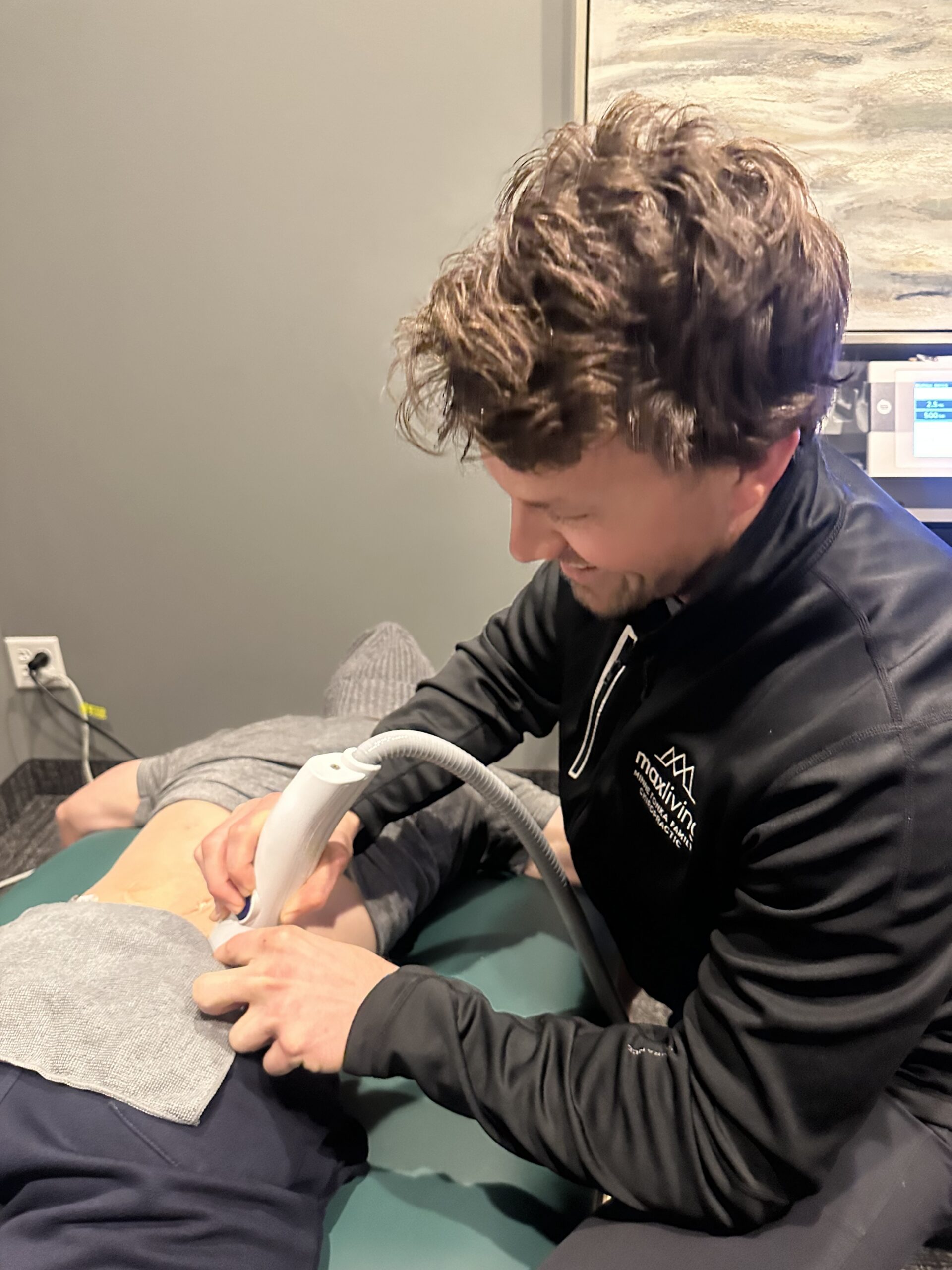
SoftWave Therapy: What’s Actually Happening After Each Treatment? How Long Does it Take For Results? Your Questions Answered
April 23, 2026
One of the most common questions I get about SoftWave therapy is this:
“How many treatments do I need?”
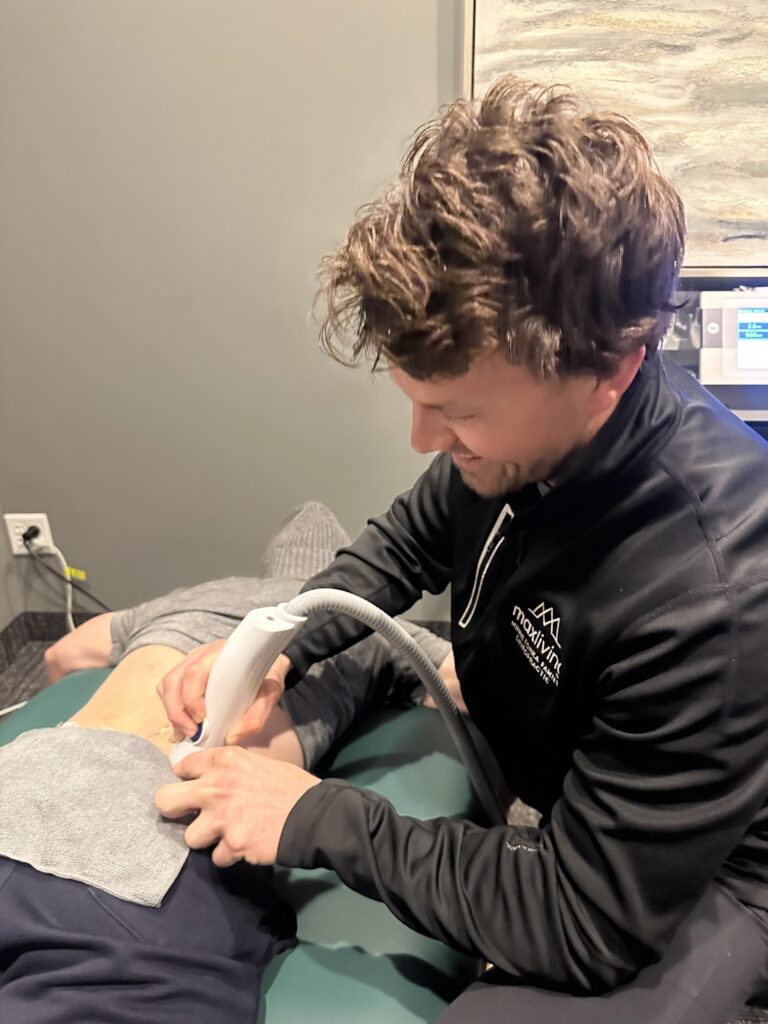
And honestly? It depends. (… kinda like most things in health eh?)
But here’s what I can tell you…
SoftWave isn’t a single event. It’s a cascade.
The mechanical pulse happens in milliseconds. But the biological response? That unfolds over hours, days, weeks, and even months as your tissue moves from a stuck, degenerative state toward organized healing and remodeling.
This isn’t like flipping a light switch.
It’s more like planting a seed and watching it grow through stages.
And understanding those stages will help you know what to expect – and why consistency matters.
Stage 1: During Treatment (Milliseconds to First 48 Hours)
The Mechanical “Wake-Up Call”
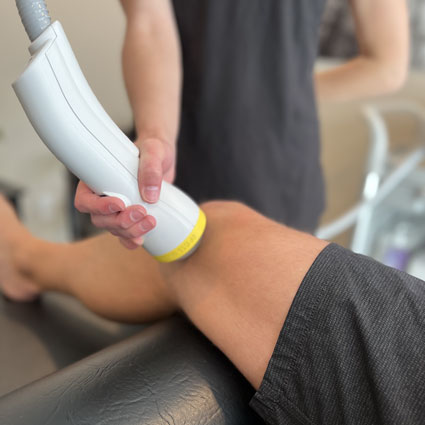
When we run SoftWave over an injured area, you’re receiving a short-duration acoustic pressure wave. It passes through your tissue and creates rapid compression and decompression forces that literally deform cell membranes and the extracellular matrix around them.
This is called mechanotransduction – your cells converting that physical force into biochemical signaling.
At the cellular level, we’re seeing:
- ATP release (cellular energy)
- ERK signaling pathways (growth and repair signals)
- Nitric oxide-related responses
- Downstream changes in gene expression tied to tissue repair
Here’s what’s critical to understand…
SoftWave is not “adding healing” from the outside.
It’s giving your local cells – fibroblasts, tenocytes, endothelial cells, immune cells, and even stem/progenitor cells – a strong enough mechanical signal that they start behaving differently.
Think of it like this: your chronic injury has been sitting in a “stalled” state. The tissue isn’t actively healing anymore. It’s just… stuck.
SoftWave jolts that tissue awake and says, “Hey, we’re not done here. Time to get back to work.”
Why Some People Feel Worse Before They Feel Better
This is normal.
Some people feel temporarily more sore for a day or two after treatment. Biologically, that doesn’t mean damage in the harmful sense. It means that a previously stagnant chronic lesion has been re-stimulated into an active healing response.
You’re going from dormant to active repair mode. And that process can create temporary discomfort as your body ramps up inflammation, blood flow, and cellular activity.
It’s a sign the treatment is working – not a sign something went wrong.
Stage 2: First Few Days After Treatment
Signaling Turns On
In the early window after treatment – the first few days – the main story is signaling, not finished repair.
Your body is ramping up pathways tied to:
- Angiogenesis (new blood vessel formation)
- Cell proliferation
- Tissue regeneration
Studies show increased activity in growth factors like VEGF (vascular endothelial growth factor), eNOS, PCNA, and ATP/ERK-related responses. In tendon models specifically, early matrix disruption and remodeling signals start showing up first, followed later by more organized structural repair.
This is the biological prep work. Your body is mobilizing resources, turning on genes, and setting the stage for actual tissue rebuilding.
But you’re not there yet.
Stage 3: Days to a Couple Weeks After Treatment
Vascular and Immune Changes Start to Matter
One of the best-documented effects of SoftWave is angiogenesis – the formation of new microvessels and improved local blood flow.
Animal studies have shown neovascularization (new blood vessel growth) at the tendon-bone junction and increased expression of angiogenic mediators after shockwave exposure.
Why does this matter?
Because many chronic tendon, ligament, and fascia problems live in relatively poorly vascularized tissue. Limited blood flow means limited oxygen and nutrient delivery, which means stalled healing. By stimulating new blood vessel growth, SoftWave is literally improving the biological infrastructure your tissue needs to repair itself.
But It’s Not Just About Blood Flow
There’s also growing evidence that SoftWave affects the immune environment of the injured tissue. Studies describe shifts in macrophage behavior – moving away from a stalled chronic inflammatory state toward a more pro-resolution, pro-repair pattern.
This is a more accurate explanation than saying it “flushes inflammation out.” It’s better to say SoftWave modulates the inflammatory environment and helps your tissue progress through healing instead of remaining stuck in low-grade chronic inflammation.
Stage 4: Over the Next Few Weeks
Stem Cell Recruitment and Reparative Cell Activity
This is where the stem cell conversation gets interesting.
SoftWave literature supports the idea that shockwave therapy can enhance:
- Migration of stem/progenitor cells to the injured area
- Recruitment and proliferation of repair cells
- Differentiation of stem cells into the specific cell types needed for tissue repair
But here’s the important nuance…
SoftWave doesn’t “fill the area with stem cells” in a direct, one-step way.
The best-supported explanation is that SoftWave recruits and mobilizes endogenous repair cells and progenitor pathways. In plain English: the treatment makes the injured area more biologically “interesting” to your body – more vascular, more signaled, and more permissive to repair-cell trafficking and local regenerative activity.
Whether those cells come from local tissue, nearby vascular niches, or more systemic pools depends on the injury and tissue type. But the broad theme is endogenous recruitment and activation – not cell transplantation.
Your body has the repair cells it needs. SoftWave helps get them where they need to go.
Stage 5: Weeks to Months After Treatment
Collagen Remodeling and Matrix Organization
This is the phase most patients actually care about. Because this is where tissue quality improves.
In tendon and connective tissue models, SoftWave has been associated with:
- Fibroblast and tenocyte activation (the cells that produce collagen)
- Collagen synthesis
- Matrix metalloproteinase activity (enzymes that break down and remodel tissue)
- Improvements in collagen amount and orientation
One review noted increased degraded collagen early after treatment (breakdown phase), but reduced degraded collagen by 6 weeks (rebuilding phase), with upregulated collagen and MMP gene expression consistent with active remodeling.
This timeline fits what we know about tendon and ligament biology more broadly. Early proliferative repair is followed by a long remodeling phase in which type III collagen (scar-like tissue) is gradually replaced with type I collagen (strong, functional tissue) and aligned into organized, load-bearing structures. Remodeling begins around 3-8 weeks after injury and can continue for many months – or even years – depending on the tissue and how it’s being loaded.
This is why SoftWave isn’t a one-and-done treatment.
We’re not just trying to make you feel better for a week. We’re trying to actually change the structural quality of your tissue over time.
Stage 6: Pain Relief Can Happen Before Full Tissue Remodeling
Managing Expectations
This is important for setting realistic expectations.
Pain relief does not necessarily mean your tissue is fully rebuilt yet.
SoftWave can affect nociceptive signaling (pain perception) and modulate conditioned pain responses. Studies also discuss effects on neurogenic inflammation and pain mediators like Substance P. So you might feel symptom improvement relatively early – within a few sessions – while deeper collagen remodeling and mechanical strengthening are still happening in the background for much longer.
That’s actually a good thing. Early pain reduction allows you to move better, load the tissue appropriately, and participate in rehab exercises that support long-term healing.
But it doesn’t mean you’re done.
What Tissues Are Healing, and on What Timeline?
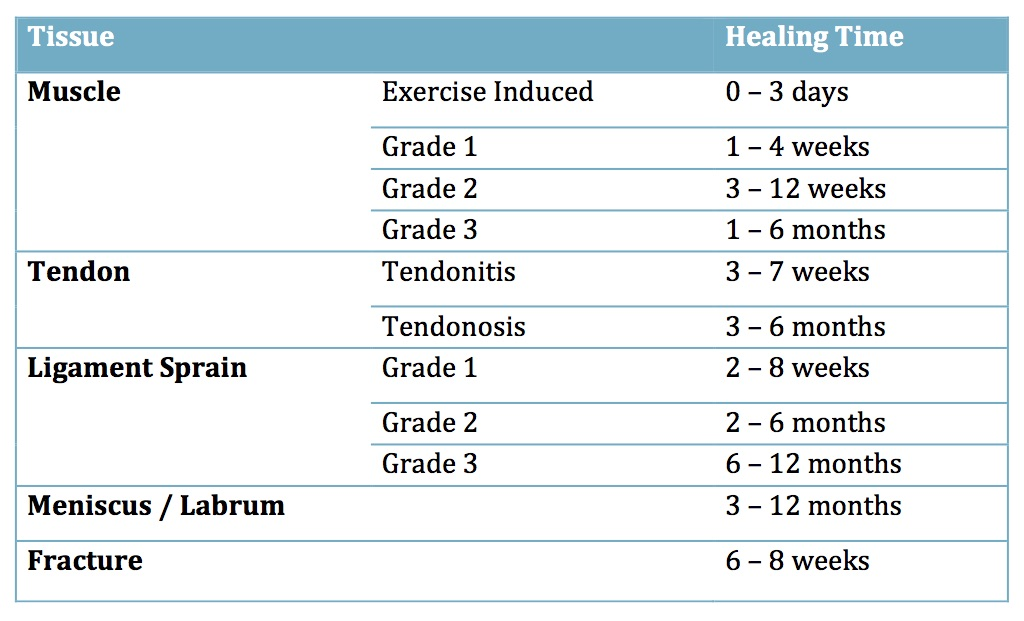
Different tissues heal on different timelines, but SoftWave can support the process across the board.
For tendons and ligaments, the initial signaling response happens in the first few days, vascular and immune effects develop over days to weeks, and structural remodeling is typically a weeks-to-months story. This matches broader tendon-healing literature, where remodeling overlaps with proliferation and can continue long-term.
For bone, SoftWave has strong preclinical support for osteogenesis (bone formation), angiogenesis, and bone remodeling pathways – which is why it’s been used in delayed union, nonunion, and stress-related bone healing contexts. Bone biology still follows its own timeline (typically months), but the treatment appears to improve the biological environment for repair.
For fascia, scar tissue, and fibrotic tissue, the most credible explanation is that SoftWave can influence fibrosis remodeling, collagen orientation, fibroblast activity, macrophage behavior, and apoptosis-related processes involved in matrix turnover. This doesn’t mean every scar is “broken apart” mechanically in a simple way. It means the matrix environment becomes more dynamic and more favorable to remodeling.
A Practical Timeline You Can Use
Here’s what to expect after SoftWave treatment:
During treatment to 48 hours:
Mechanical stimulus, cellular signaling, local biological “wake-up” response. Some temporary soreness is normal.
First several days:
Pro-healing signaling, vascular mediators, nitric oxide responses, immune modulation begins to build.
1-3 weeks:
Improved microcirculation, ongoing stem/progenitor cell recruitment, fibroblast and tenocyte activity, early matrix turnover.
3-8+ weeks:
Collagen remodeling, matrix organization, progressive functional improvement (if the tissue is loaded appropriately and the broader environment is supportive).
Months:
Maturation and alignment of tissue continues, especially in chronic tendon/ligament problems where true remodeling is slow.
A One-Sentence Summary?
SoftWave gives chronically under-healing tissue a strong mechanical signal that reactivates repair biology – first through signaling, then vascular and immune changes, then cell recruitment and matrix remodeling over time.
It’s not magic. It’s biology. And HEALING takes time.

Why This Matters for Your Treatment Plan
When we recommend a series of SoftWave treatments – typically 6-12 sessions depending on the injury – it’s not arbitrary. We’re working with your body’s natural healing timeline.
Early treatments initiate the signaling cascade and vascular changes. Mid-phase treatments support ongoing cell recruitment and matrix turnover. Later treatments reinforce collagen remodeling and structural improvements.
This is a process, not an event.
And just like you wouldn’t expect to build muscle with one workout or reverse years of spinal misalignment with one adjustment, you can’t expect to fully remodel degenerative tissue with one SoftWave session.
But if you commit to the process? The results can be dramatic. Chronic tendon pain that’s been stuck for years starts improving. Plantar fasciitis that wouldn’t respond to anything else finally resolves. Rotator cuff tendinosis that limited your training gets strong again.
Not because we “fixed” you. But because we gave your body the signal it needed to fix itself.
Ready to start the process?
If you’re dealing with a chronic injury that hasn’t responded to traditional treatments – or if you’re tired of just managing symptoms without actually healing the tissue – let’s talk.
SoftWave might be exactly what your body’s been waiting for.
Schedule directly here:
https://calendly.com/drjustinlee/softwave-scheduling

Dr. Justin Lee, DC
Minnetonka Family Chiropractic
Minnetonka, MN
(612) 470-9210
drjustinlee.com
References
Wang CJ et al. Shock wave-enhanced neovascularization at the tendon-bone junction. J Orthop Res. 2003.
Notarnicola A et al. Extracorporeal shockwaves induce angiogenesis in musculoskeletal tissue. Ultrasound Med Biol. 2012.
Hausdorf J et al. Stimulation of bone growth factor synthesis in human tenocytes. J Orthop Res. 2008.
Chen R et al. Effects of hydrotherapy and cryotherapy on recovery from acute post-exercise induced muscle damage: network meta-analysis. BMC Musculoskelet Disord. 2024.
Dr. Justin Lee, D.C.
Doctor of Chiropractic & Holistic Health
Dr. Justin Lee is a passionate chiropractor who believes in the innate healing potential within you. This passion stems from a personal experience in collegiate hockey, competitive CrossFit, and a relentless pursuit to holistically optimize performance and recovery. His professional mission is to help as many individuals and families as possible uncover the path to true health. He is dedicated to guiding them on how to integrate lifestyle changes for a sustainable and healthier future. All of which shapes his unique approach to personalized chiropractic care.
You are one ‘aJUSTINment’ away from a healthier life.

get to know me

