Dr.'s Blog
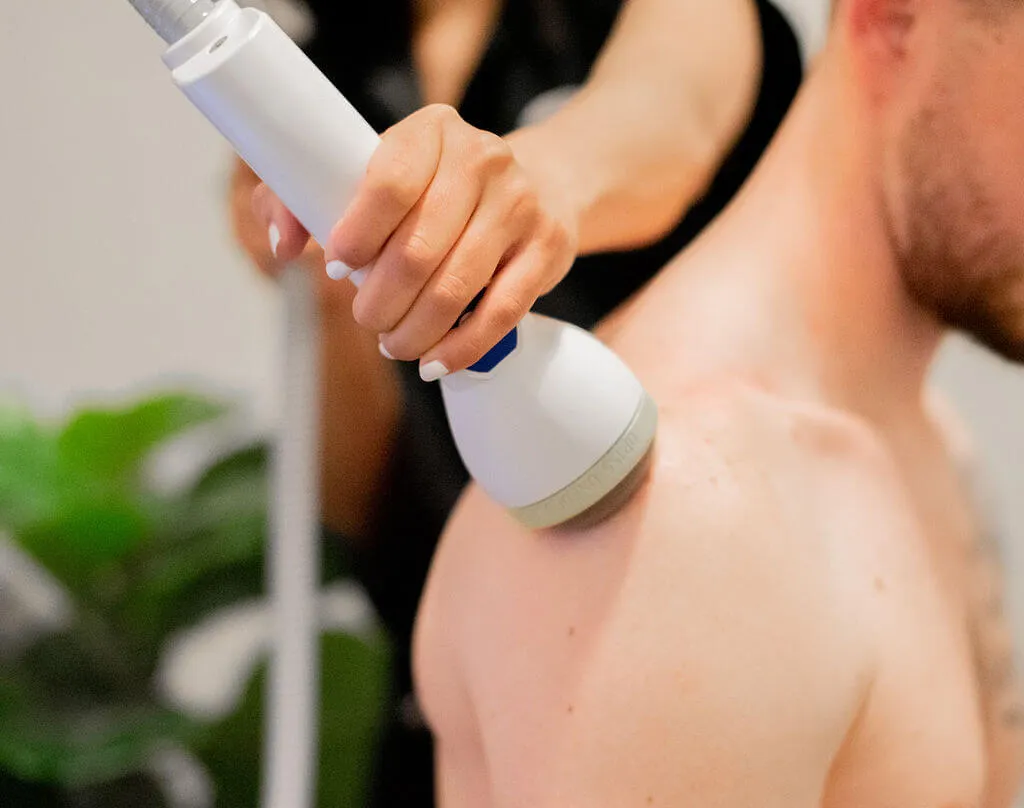
The Science Behind SoftWave: 6 Ways It Triggers Tissue Regeneration (Not Just Pain Relief)
February 17, 2026
SoftWave: How & Why Healing Happens
What’s Actually Happening at the Cellular Level
Another piece of equipment. Another “cutting-edge therapy.” Another clinic claiming they’ve got the solution to your chronic pain… My social feed is jam-packed with these claims and hustlers!!
At our office, we’ve never carried random stuff that looks cool or feels good (in the moment) just to… sell people on random modalities. Many can be … ok to do. Most won’t ‘hurt’ to do. But MOST will NOT move the needle when it comes to actually removing interferences to the body actually HEALING.
Whelp… that all changed when SoftWave came into the picture.
I’m not here to sell you on hype.
I’m here to explain the BIOLOGY of why SoftWave therapy actually works – and why it’s fundamentally different from just masking symptoms.
Because here’s the thing…
Pain relief is the side effect.
The real value of focused shockwave therapy – specifically the SoftWave technology we use – is what it does at the cellular level.
We’re talking about:
✓ Vascular regeneration
✓ Growth factor signaling
✓ Cellular mechanotransduction
✓ Inflammatory modulation
✓ Tissue remodeling
This isn’t covering up symptoms.
This is signaling your body to actually heal.
Let me break down the six key mechanisms – one by one – and show you what the research actually says.
If you already know you wanna get in for a SoftWave session… Let’s do it! We will simply start with a discovery visit to see if this is a good fit for you.
https://calendly.com/drjustinlee/softwave-scheduling
1. Angiogenesis: Growing New Blood Vessels Where Healing Has Stalled
One of the most consistent findings in shockwave research is its ability to stimulate angiogenesis – the formation of new blood vessels.
Why does that matter?
Because most chronic injuries happen in areas with terrible blood supply:
- Achilles tendon
- Patellar tendon
- Rotator cuff
- Plantar fascia
- Lateral epicondyle (tennis elbow)
Tendons are notoriously hypovascular – meaning limited circulation, limited oxygen delivery, limited nutrient supply.
Limited blood flow = stalled healing.
What the Research Shows:
Studies show that shockwave therapy significantly increases expression of VEGF (vascular endothelial growth factor) – one of the primary chemical signals that tells your body: “We need more blood flow here” (Wang et al., J Orthop Res, 2003).
Animal models demonstrate increased capillary density after treatment.
Human biopsy studies show actual new blood vessel formation in treated tendons.
We’re talking about a 200-300% increase in angiogenic signaling markers within days of treatment.
That’s not a pain-relief trick.
That’s a regenerative response.
Clinical Reality:
Conditions that benefit from this vascular regeneration:
✓ Chronic Achilles tendinopathy
✓ Patellar tendinopathy
✓ Rotator cuff tendinosis
✓ Plantar fasciitis
✓ Delayed bone healing
Compare that to a steroid injection.
Steroids might kill the pain temporarily – but they also weaken collagen over time and suppress the healing process.
SoftWave promotes vascular remodeling instead of shutting down biology.
That’s a fundamental difference.
2. Tissue Repair & Cellular Regeneration: Waking Up Dormant Cells
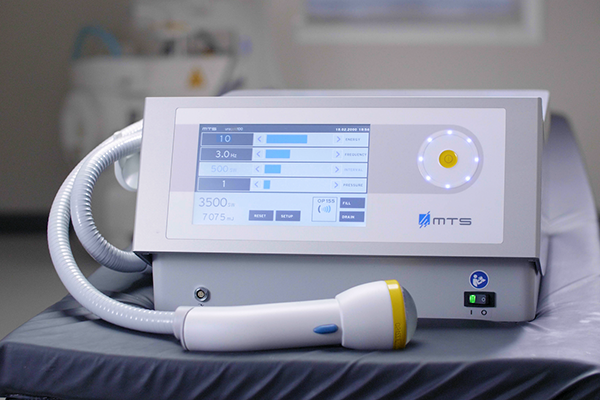
SoftWave works through something called mechanotransduction.
Basically: mechanical energy (acoustic waves) gets converted into biochemical signaling inside your cells.
Cells sense the stimulus → activate gene expression → begin the repair cascade.
What the Research Shows:
- Increased expression of BMP-2 and BMP-7 (bone morphogenetic proteins) critical for bone healing (Wang et al., 2007)
- Upregulation of TGF-β1, a growth factor central to tissue remodeling
- Activation of mesenchymal stem cells (observed in multiple preclinical studies)
- Increased collagen type I production in tendon tissue (Notarnicola et al., 2012)
In simple terms:
Shockwave tells dormant cells to wake up.
It shifts tissue from a degenerative state (failed healing) back into an active repair phase.
This is critical in:
- Chronic tendinopathy (which is degenerative, NOT inflammatory)
- Partial tendon tears
- Ligament injuries
- Stress fractures
- Muscle strains
Compare That to NSAIDs:
NSAIDs blunt inflammation – but inflammation is the first stage of healing.
You NEED inflammation to repair tissue.
SoftWave doesn’t suppress the process.
It optimizes and re-initiates it.
Big difference.
3. Reduction of Neurogenic Inflammation: Resetting Chronic Pain Signals
Here’s something most people don’t understand…
Chronic pain isn’t just mechanical.
It’s neurological.
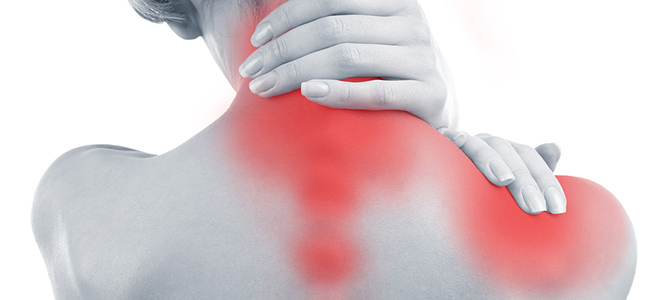
In long-standing injuries, you often see:
- Increased Substance P (pain neuropeptide)
- Increased CGRP (calcitonin gene-related peptide)
- Pathological nerve ingrowth into degenerative tissue
This creates persistent pain signaling – even when structural damage is minimal.
Your nervous system gets stuck in a pain loop.
What the Research Shows:
- ESWT reduces Substance P levels in treated tissue (Hausdorf et al., 2008)
- Studies show reduction in hyperinnervated tendon fibers (Öhberg & Alfredson, 2004)
- Shockwave can modulate nociceptor activity, reducing chronic pain transmission
This is not numbing.
This is neuromodulation.
By reducing abnormal sensory nerve density and inflammatory neuropeptides, SoftWave helps reset the chronic pain cycle.
Clinically Relevant For:
✓ Chronic lateral epicondylitis
✓ Chronic Achilles pain
✓ Plantar fasciitis
✓ Myofascial trigger points
✓ Persistent post-surgical pain
This is why patients often report pain reduction after 1-3 sessions – even before full structural remodeling has occurred.
The nervous system recalibrates.
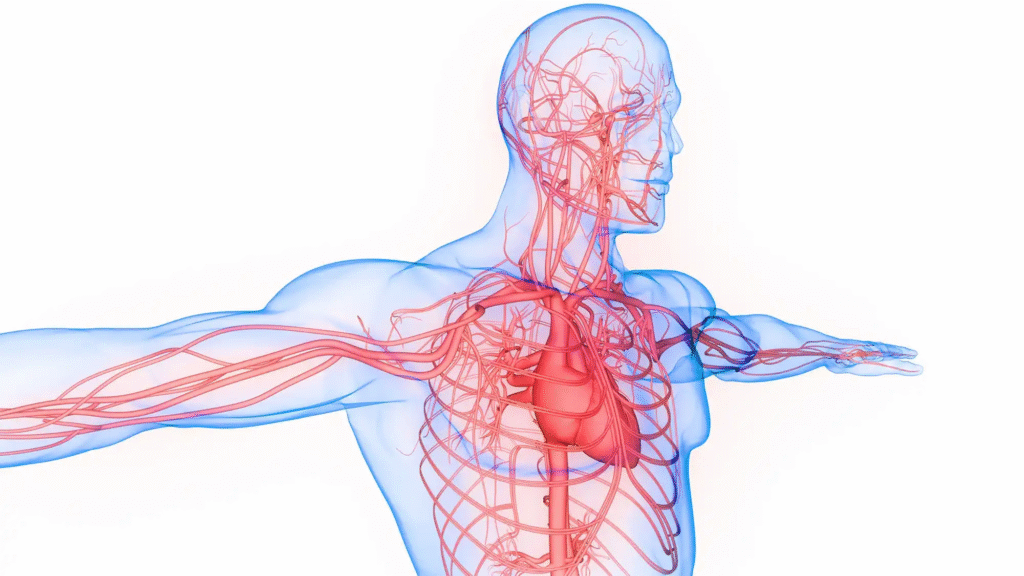
4. Improved Microcirculation: Getting Oxygen and Nutrients Where They’re Needed
Beyond just growing new blood vessels, SoftWave improves microcirculatory flow – the tiny capillary networks that deliver oxygen and nutrients at the cellular level.
Microcirculation is critical for:
- Oxygen exchange
- Nutrient delivery
- Waste removal
- Cellular metabolism
Laser Doppler flowmetry studies demonstrate increased blood perfusion after SoftWave treatments.
Improved microcirculation helps:
✓ Clear inflammatory metabolites
✓ Reduce local hypoxia (oxygen deprivation)
✓ Support mitochondrial function
Chronic tissue hypoxia is a major driver of degeneration.
Restoring oxygen availability = restoring healing potential.
This is particularly important in:
- Diabetic tendon conditions
- Chronic muscle injuries
- Aging tissue with declining vascular health
5. Stimulation of Fibroblast & Tenocyte Activity: Rebuilding Structural Integrity
Fibroblasts are the cells responsible for producing collagen – the structural protein that makes up tendons, ligaments, and connective tissue.
Tenocytes are the specialized fibroblasts in tendon tissue.
In chronic tendinopathy, collagen becomes:
❌ Disorganized
❌ Weakened
❌ Type III dominant (scar-like tissue instead of functional tendon)
What SoftWave Does:
✓ Increases fibroblast proliferation
✓ Stimulates collagen type I synthesis (the strong, functional type)
✓ Improves collagen fiber alignment
✓ Enhances extracellular matrix remodeling
This means tissue quality improves – not just symptoms.
Studies in the American Journal of Sports Medicine and British Journal of Sports Medicine show significant structural tendon improvements after shockwave therapy in chronic cases.
This is why elite sports medicine programs use it as a first-line treatment now – not a last resort.
6. Reduction of Chronic Inflammatory Signaling: Normalizing the Healing Environment
Here’s something most people misunderstand:
Chronic tendinopathy is NOT inflammatory in the traditional sense.
It’s degenerative.
But there IS chronic low-grade inflammatory signaling involved – particularly:
- IL-1β
- TNF-α
- Matrix metalloproteinases (MMPs)
SoftWave therapy has been shown to:
✓ Downregulate pro-inflammatory cytokines
✓ Reduce MMP activity
✓ Normalize tissue inflammatory balance
Rather than suppressing inflammation globally (like NSAIDs or corticosteroids), SoftWave modulates and normalizes inflammatory signaling.
That Distinction Matters:
Healing REQUIRES inflammation.
Chronic degeneration requires correction of dysregulated signaling.
SoftWave doesn’t shut down your body’s repair process.
It helps it work the way it’s supposed to.
How SoftWave Compares to Other Modalities
| Treatment | Pain Relief | Tissue Regeneration | Vascular Effects | Long-Term Remodeling |
|---|---|---|---|---|
| NSAIDs | Yes (temporary) | No | No | No |
| Steroid Injections | Yes (short-term) | No | No | May weaken tissue |
| PRP/Stem Cell Injections | Possibly | Yes | Moderate | Yes |
| Laser Therapy | Mild | Limited | Mild | Limited |
| Physical Therapy | Yes | Yes | Indirect | Yes |
| SoftWave | Yes – quickly! | Strong evidence | Strong angiogenic effect | Yes |
SoftWave uniquely combines:
✓ Mechanical stimulation
✓ Cellular signaling activation
✓ Growth factor upregulation
✓ Vascular regeneration
✓ Neuromodulation
Few modalities hit all of those simultaneously.
Conditions Commonly Helped by SoftWave
Based on research and clinical application:
Tendon Conditions:
- Achilles tendinopathy
- Patellar tendinopathy
- Rotator cuff tendinosis
- Lateral epicondylitis (tennis elbow)
- Plantar fasciitis
Bone Issues:
- Stress fractures
- Delayed union fractures
- Non-union fractures
Muscle Problems:
- Chronic strains
- Myofascial trigger points
- Scar tissue adhesions
Other:
- Calcific shoulder tendinopathy
- Greater trochanteric pain syndrome (hip bursitis)
- Chronic post-surgical tissue pain
The Bigger Picture
SoftWave therapy is not magic.
It’s biology.
It works because it leverages your body’s inherent repair systems.
And in my approach – where the nervous system, movement, nutrition, recovery, and removing interference all matter – SoftWave becomes an adjunctive regenerative tool, not a standalone fix.
We remove interference.
We restore alignment.
We optimize movement and metabolism.
We stimulate regeneration.
That’s synergy.
If you’re dealing with chronic pain that hasn’t responded to traditional treatments – or if you’ve been told “you just have to live with it” – let’s chat.
Your body has the capacity to heal.
Sometimes it just needs the right signal.
Let’s get you scheduled!!
https://calendly.com/drjustinlee/softwave-scheduling
Dr. Justin Lee, DC
Corrective Chiropractor | Regenerative Care
Minnetonka Family Chiropractic
Minnetonka, MN
(612) 470-9210
References
Wang CJ et al. Shock wave-enhanced neovascularization at the tendon-bone junction. J Orthop Res. 2003.
Wang CJ et al. Extracorporeal shockwave therapy shows regeneration in hip necrosis. Rheumatology. 2007.
Notarnicola A et al. Extracorporeal shockwaves induce angiogenesis in musculoskeletal tissue. Ultrasound Med Biol. 2012.
Hausdorf J et al. Stimulation of bone growth factor synthesis in human tenocytes. J Orthop Res. 2008.
Öhberg L, Alfredson H. Effects of neovascularisation in Achilles tendinosis. Knee Surg Sports Traumatol Arthrosc. 2004.
Dr. Justin Lee, D.C.
Doctor of Chiropractic & Holistic Health
Dr. Justin Lee is a passionate chiropractor who believes in the innate healing potential within you. This passion stems from a personal experience in collegiate hockey, competitive CrossFit, and a relentless pursuit to holistically optimize performance and recovery. His professional mission is to help as many individuals and families as possible uncover the path to true health. He is dedicated to guiding them on how to integrate lifestyle changes for a sustainable and healthier future. All of which shapes his unique approach to personalized chiropractic care.
You are one ‘aJUSTINment’ away from a healthier life.

get to know me

