Dr.'s Blog

Chronic Rotator Cuff Pain That Won’t Heal? Why Your Shoulder Might Be Stuck – And How SoftWave Breaks the Cycle
December 13, 2025
If you’re dealing with chronic shoulder pain that just won’t quit – no matter what you’ve tried – this story is for you.
Meet Danny.
He’s in his mid-40s. Works hard. Stays active. Takes care of his body.
( ^Not Danny.. but.. you get the idea 😉
And he’s done MORE than most people to fix his shoulder:
- Multiple rounds of physical therapy
- Diligent strengthening and band work
- PRP injections
- Cryotherapy sessions
- Peptides (BPC-157, TB500, etc)
- Anti-inflammatory supplements
- Bodywork, massage, foam rolling
All good things to do! No doubt. I would recommend everyone to try some of these things on a regular basis, even from a preventative standpoint. But… sometimes there is a limitation of matter. Enough interference or damage where the body struggles to heal fully.
He even saw TWO different orthopedic surgeons who reviewed his MRIs and basically said the same thing:
“There’s some wear and tear, but not enough damage to justify surgery. You’ll just have to manage it.”
On paper, his rotator cuff “didn’t look bad enough.”
Which … is good in some respect. Who actually wants surgery… But, it sure doesn’t sound like a great prognosis! No hope, no real answers. No action steps or insight to improve his outlook.
In real life? He was struggling.
- Persistent pain with reaching and lifting
- Couldn’t bench press or do overhead work without sharp pain
- Yard work and home projects wrecked his shoulder for days
- Sleep was affected any time he rolled onto that side
- Even work tasks were painful and fatiguing
- Mentally, he felt older than he was and frustrated that “nothing worked”
He’d invested YEARS of time and THOUSANDS of dollars into his shoulder… for minor, short-lived relief. Many of these things are ‘good’ to do. I always tell patients you are far better off continuing to keep your body moving well, nourished well, and well-recovered. But sometimes, we need to take things to the next level to speed up healing.
That’s why he tried SoftWave.
Within 2 visits:
- ~60% reduction in pain
- ~40% improvement in shoulder mobility and function
By visit 6 (about 4–5 weeks in):
- 80–90% reduction in pain
- 80%+ return of function (pressing, reaching, yard work, sleep, daily life)
And here’s the best part: his shoulder continued to improve even after his treatment plan ended.
(Ill explain below! Cool stuff)
It’s pretty wild how often we hear this story, unfortunately. It’s NOT normal… even though it’s quite common. I’m sure many of you have come across people in similar positions!!
Let me break down why this happens – and why so many shoulders like Danny’s respond so well to SoftWave.
How Common Is This Problem Really?
If you’re dealing with shoulder pain, you’re FAR from alone.
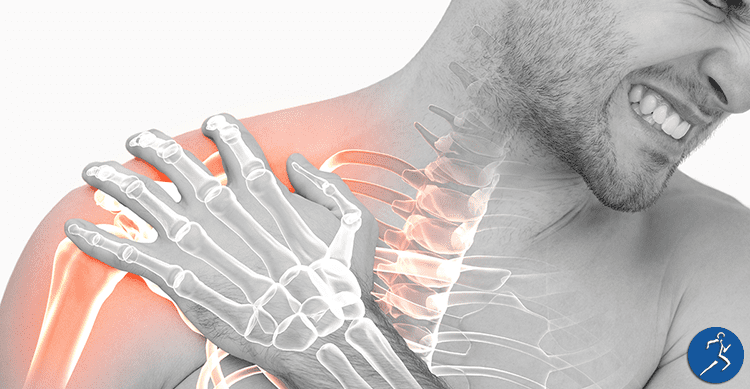
Here are the numbers:
- Rotator cuff disease affects an estimated 30–50% of people over age 50 on imaging, even if not all are symptomatic
- Shoulder pain is the third most common musculoskeletal complaint after low back and neck pain
- Rotator cuff disorders account for up to 70% of shoulder pain visits in primary care and orthopedics
And the cost? By the time you factor in multiple rounds of PT, imaging (X-rays, MRIs), injections, time off work, and for some, surgery + rehab… it’s not hard for a chronic shoulder to cost thousands to tens of thousands of dollars over a few years – without a guarantee of lasting relief.
So if you’re feeling like your shoulder is a money pit, you’re not alone.
Why Traditional Shoulder Care Often Stalls Out
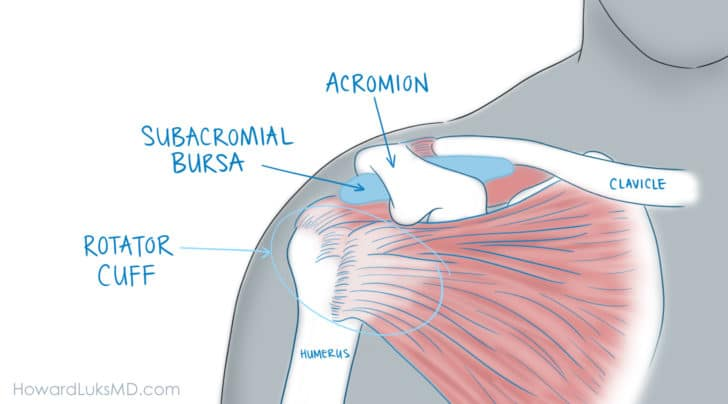
To understand why SoftWave moves the needle so dramatically for cases like Danny’s, you have to look at what’s REALLY going on in a chronic rotator cuff/shoulder.
1. It’s not just “weak muscles” – it’s degenerative tendon biology
With chronic rotator cuff issues, you don’t just have a simple strain. You typically have:
- Micro-tears that never fully healed
- Disorganized collagen fibers (tendinosis)
- Poor blood flow to the degenerative areas
- Thickened, stiff, pain-sensitive tissue
This is why “just doing band work” helps some, but leaves many still stuck. The tissue quality itself has deteriorated, and no amount of strengthening will fix that if the biological environment won’t allow healing.
2. There’s a huge nerve and inflammation component
Here’s where it gets really interesting. Research on chronic tendinopathy (including rotator cuff and supraspinatus tendons) shows something most people don’t realize:
- Abnormal nerve ingrowth from surrounding tissues into the tendon (nerves that shouldn’t be there)
- Increased pain chemicals like substance P and CGRP
- Ongoing low-grade inflammation and neurogenic pain
In simple terms: the tendon becomes wired for pain and STAYS that way, even after the original injury should have healed. Your nervous system has essentially learned to keep that area hypersensitive, creating a pain loop that’s incredibly hard to break with conventional treatments.
3. Imaging doesn’t always match the pain
Like Danny, many people are told: “Your MRI doesn’t look that bad. There’s no full-thickness tear. Surgery probably won’t help.”
But pain and disability can still be very real because:
- You can have major pain with only mild structural changes (if nerves and inflammation are high)
- You can have “ugly” MRIs and very little pain (if the tissue has adapted and the nervous system is calm)
This is exactly where SoftWave fits in: it’s a regenerative, neuromodulating therapy, not a “cut out the torn part” strategy. We’re addressing the BIOLOGY that’s preventing healing, not just the structural damage visible on imaging.
What Is SoftWave?
-> and Why Does It Work So Well for Shoulders?
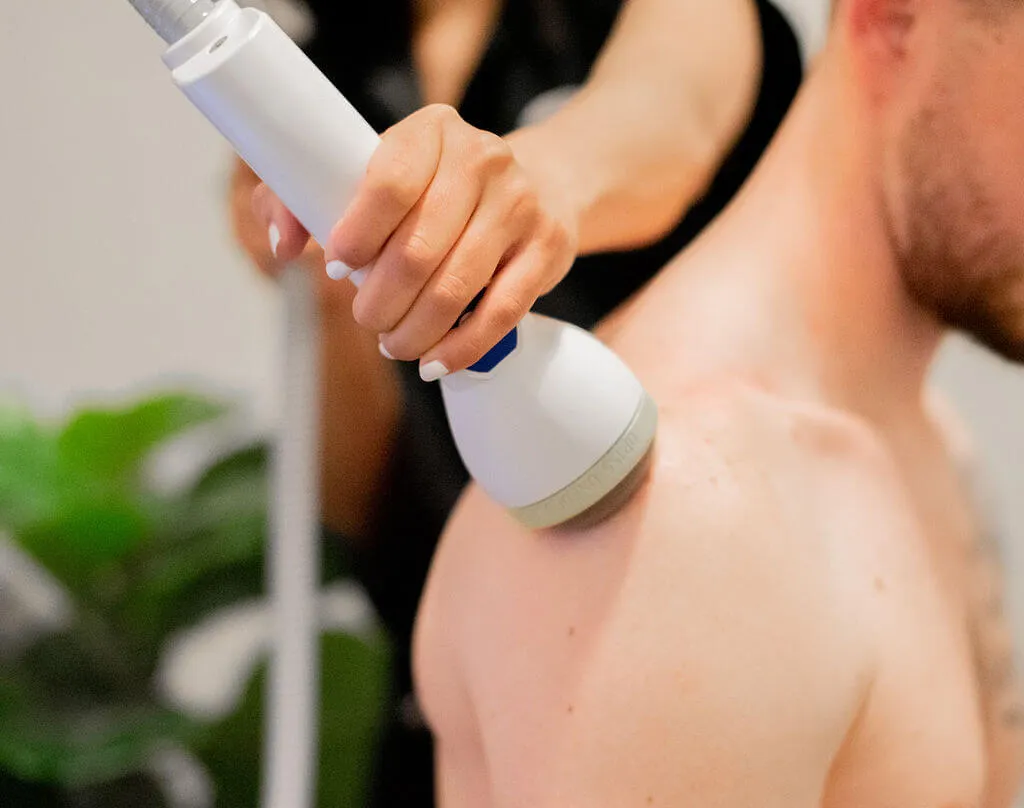
SoftWave is a form of unfocused electrohydraulic shockwave therapy (ESWT).
In plain language: it uses high-energy sound waves that travel through the skin into deeper tissues. (Traveling 10x the speed of sound!!) These waves create a controlled mechanical stimulus in the tendon, muscle, capsule, and surrounding tissues. This immediately helps with inflammation, while subsequently your body translates this mechanical signal into a healing response.
Key ways SoftWave helps rotator cuff and shoulder problems:
1. It calms overactive pain nerves
SoftWave/ESWT has been shown to:
- Reduce levels of substance P and CGRP – key neuropeptides involved in chronic tendon pain
- Decrease activity of small, unmyelinated pain fibers (C-fibers)
- Modulate how the nervous system is processing pain from that area
For someone like Danny, this means: less sharp, “electric” shoulder pain, less pain with everyday use and at night, and a real break in that constant pain loop that’s been running for years.
2. It improves blood flow and microcirculation
One of the defining features of chronic rotator cuff degeneration is poor blood supply to the injured region. Tendons already have limited blood flow, and degenerative tendons have even LESS. This starves the tissue of oxygen and nutrients needed for repair.
SoftWave:
- Stimulates angiogenesis (new blood vessel growth)
- Increases microcirculation in damaged tissue
- Helps bring more oxygen, nutrients, and immune cells into the area
Think of it as turning on the “irrigation system” in tissue that’s been dry and starved for years. This is one of the most powerful mechanisms – we’re literally creating NEW blood vessels that will continue supporting that tissue long after treatment ends.
3. It jump-starts true tissue repair
The same shockwaves that modulate nerves and blood flow also:
- Activate local stem and progenitor cells
- Stimulate tenocytes (tendon cells) to produce healthier collagen
- Help remodel disorganized, thickened, scar-like tendon tissue
Over time, this improves tendon quality, restores elasticity and load tolerance, and makes the tissue less likely to flare with normal use. You’re not just feeling better temporarily – the tissue is actually CHANGING at a structural level.
4. It addresses multiple pain generators at once
Shoulder pain is rarely just one thing. In Danny’s case (like many others), there were likely several contributors:
- Rotator cuff tendinosis
- Bursitis or bursal irritation
- Biceps tendon involvement
- Myofascial trigger points in the deltoids, pecs, traps, and rotator cuff
- Capsular stiffness and altered joint mechanics
SoftWave’s broad, unfocused field lets us treat the cuff tendons, the bursa region, the biceps groove, the peri-scapular muscles, and the capsule and surrounding fascia – all in a single, integrated session. This comprehensive approach is why people often get results where more targeted therapies (like a single injection into one structure) fall short.
Danny’s SoftWave Journey: What Actually Happened
Before SoftWave:
- Years of shoulder pain
- Multiple therapies tried (all with limited success)
- Two orthopedic opinions saying “no surgery”
- Shoulder impacting workouts, yard work, sleep, and work
- Mindset: defeated, frustrated, feeling “old” before his time
After 2 SoftWave sessions:
- About 60% reduction in pain
- About 40% improvement in range of motion and function
- Easier to raise his arm overhead
- Less pain with daily tasks
- Sleep improvement starting
- Most importantly: hope – for the first time in years, something was clearly moving the needle
After 6 sessions (~4–5 weeks):
- 80–90% reduction in pain
- 80%+ return of function
- Back to pressing and lifting significantly more comfortably
- Yard work and home projects without 3-day flare-ups
- Sleeping on that shoulder again
- Less mental stress around every lift or movement
Those surgeons still didn’t think surgery made sense – and now Danny agreed… because his body was truly HEALING, not just being managed.
“Will It Just Wear Off?”
Healing Continues After Treatment
This is a huge difference between numbing strategies (like pain meds or even some injections) and regenerative strategies like SoftWave:
Meds stop working as soon as the chemical leaves your system. SoftWave continues working after the treatment ends.
Why? Because the whole point is to change the biology of the tissue:
- More blood vessels (angiogenesis continues for weeks after treatment)
- Better collagen organization (remodeling is an ongoing process)
- Less abnormal nerve sprouting
- More local stem cell activation
- Lower chronic inflammatory signaling
Once that healing momentum is created, your body carries it forward – especially when we pair SoftWave with:
- Corrective strengthening and stability work
- Mobility and postural improvements
- Chiropractic care to optimize nerve function and overall biomechanics
- Lifestyle support (inflammation management, sleep, nutrition)
This is why a lot of patients will say things like: “Honestly, my shoulder felt even better a month after we finished than it did the day of my last session.”
The process outlives the protocol. We’re not just turning off pain signals temporarily – we’re creating an environment where your body can finally complete the healing process it’s been trying to do for years.
Why People Like Danny See Results When “Nothing Else Worked”
So why SoftWave now, after all the PT, injections, and other therapies?
A few big reasons:
It directly targets tissue biology, not just symptoms. We’re not masking pain or forcing movement on dysfunctional tissue – we’re changing the tissue quality itself.
It addresses nerve, blood flow, and tissue quality all at once. Most therapies address one piece of the puzzle. SoftWave addresses ALL the mechanisms that are keeping you stuck.
It can “wake up” an area that has been stuck in a non-healing state for years. That biological “stall” is what keeps chronic injuries chronic. SoftWave breaks that cycle.
It pairs incredibly well with all the work Danny had already done. His strength work, mobility exercises, and peptides were all good inputs… but the tissue was too degenerated and pain-sensitized to fully respond. SoftWave flipped the switch from “stuck and degenerating” to “healing and remodeling.” Now those strengthening and mobility strategies could finally produce long-term change.
You can think of it this way: all those other therapies were trying to build on a broken foundation. SoftWave repaired the foundation – and suddenly everything else could actually work.
Could SoftWave Help Your Shoulder?
If you…
- Have nagging shoulder pain that hasn’t resolved with “standard” care
- Have tried PT, injections, bodywork, or even regenerative therapies with only partial relief
- Have been told your MRI “isn’t bad enough for surgery,” but your life says otherwise
- Feel limited in the gym, at work, or with daily activities
- Are tired of revolving-door shoulder pain and want a regenerative, not just palliative, approach
…then SoftWave may be exactly the missing piece you’ve been looking for.
You don’t need a “massive tear” or a “surgical-grade injury” to justify wanting your shoulder back. You just need a strategy that helps your body:
✓ Calm pain at the nerve level ✓ Restore blood flow ✓ Remodel the tendon ✓ Support long-term healing rather than short-term numbing
That’s what we use SoftWave for in our office.
Ready to See What’s Possible for Your Shoulder?
If Danny’s story sounds a lot like yours, you don’t have to stay stuck there.
We’ll:
- Do a thorough assessment of your shoulder function, movement, posture, and history
- Determine whether you’re a good candidate for SoftWave
- Build a personalized plan that may include:
- SoftWave sessions
- Chiropractic care
- Targeted mobility and strengthening
- Lifestyle tweaks to reduce inflammation and support healing
📍 Serving Minnetonka, Hopkins, and the greater Twin Cities area
📞 (952) 229-8750
🌐 drjustinlee.com
📱 Instagram: @drjustinlee
– Dr. Justin Lee, D.C. Minnetonka Family Chiropractic
Dr. Justin Lee, D.C.
Doctor of Chiropractic & Holistic Health
Dr. Justin Lee is a passionate chiropractor who believes in the innate healing potential within you. This passion stems from a personal experience in collegiate hockey, competitive CrossFit, and a relentless pursuit to holistically optimize performance and recovery. His professional mission is to help as many individuals and families as possible uncover the path to true health. He is dedicated to guiding them on how to integrate lifestyle changes for a sustainable and healthier future. All of which shapes his unique approach to personalized chiropractic care.
You are one ‘aJUSTINment’ away from a healthier life.

get to know me

