Dr.'s Blog

SoftWave Therapy vs. Other Common Therapies: What’s the Difference? SoftWave vs. Ultrasound, TENS, Injections, etc.
December 31, 2025
SoftWave Therapy vs. Other Common Therapies: What’s the Difference (and Why It Matters)?
If you’ve ever been recommended SoftWave therapy, chances are one of your first thoughts was:
“Isn’t that just ultrasound?” “Is it like laser?” “Is it basically a TENS unit?”
These are VERY common questions – and honestly, they make sense.
Most people have tried some form of physical therapy or pain relief modality before: ultrasound, electrical stimulation, laser, massage, dry needling, injections, or even surgery. And many of these therapies can be helpful in the right context.
But SoftWave therapy is fundamentally different from most of the treatments people are familiar with.
Understanding HOW it’s different helps explain why it works when other approaches stall – especially for chronic tendon, fascia, joint, and nerve-related pain.
Let me break it down.
What Is SoftWave Therapy (At Its Core)?
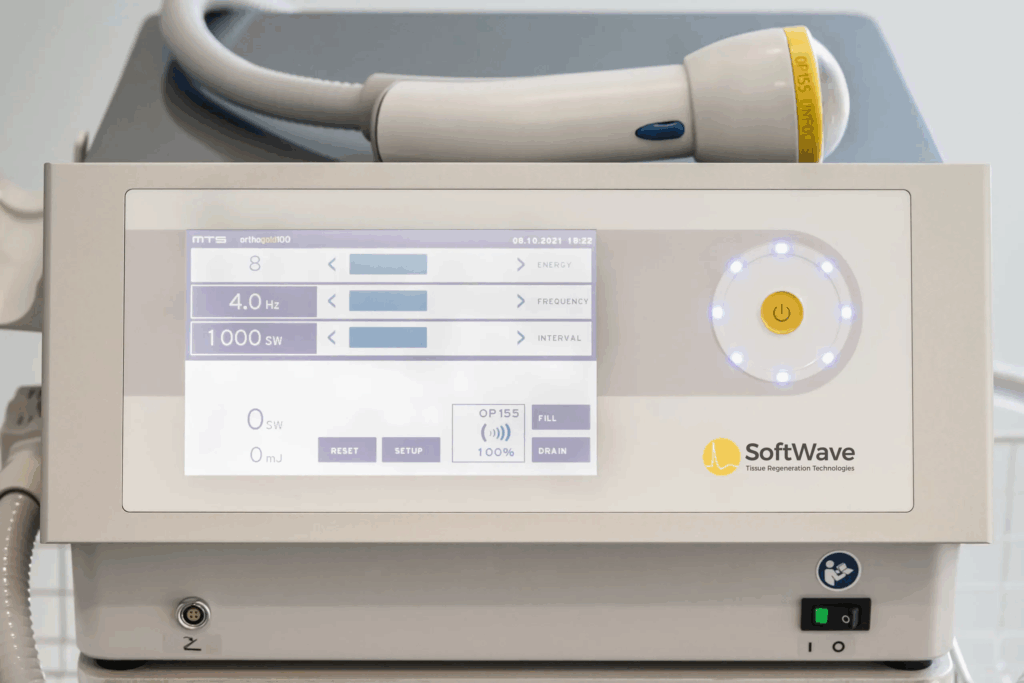
SoftWave therapy is a form of electrohydraulic shockwave therapy – a technology backed by decades of orthopedic and regenerative research.
Unlike passive modalities that aim to temporarily reduce symptoms, SoftWave is designed to:
✓ Stimulate true tissue regeneration ✓ Improve blood flow to chronically under-healed areas ✓ Calm overactive pain nerves ✓ Activate the body’s own repair and healing cascades
In simple terms: SoftWave sends a mechanical “repair signal” into damaged tissue, telling the body it’s time to heal again.
This is why people often notice changes quickly, and why healing continues AFTER treatment sessions are complete.
Now let’s compare that to other therapies people often confuse it with.
SoftWave vs. Therapeutic Ultrasound
This is probably the most common misconception.
Ultrasound Therapy:
- Uses high-frequency sound waves (typically 1–3 MHz)
- Primarily creates gentle vibration and tissue warming
- Often used to relax muscles or increase short-term circulation
- Effects are mostly superficial and temporary
Ultrasound can be useful for:
- Acute muscle tightness
- Temporary pain reduction
- Preparing tissue for movement
But ultrasound does NOT:
- Stimulate stem cell activity
- Create new blood vessels
- Remodel degenerative tendon or fascia tissue
- Interrupt chronic pain loops
SoftWave Therapy:
- Uses high-energy acoustic pressure waves (shockwaves)
- Delivers a strong mechanical signal DEEP into tissue
- Activates mechanotransduction (cells converting mechanical force into biological repair signals)
- Triggers long-term healing responses
Key takeaway: Ultrasound warms tissue. SoftWave CHANGES tissue biology.
Think of it this way: ultrasound is like using a heating pad to relax a sore muscle. SoftWave is like flipping the biological switch that tells damaged tissue to start regenerating. Completely different mechanisms, completely different outcomes.
SoftWave vs. Laser Therapy (Cold Laser / Class IV Laser)
Laser therapy is another modality people often group with SoftWave.
Laser Therapy:
- Uses light energy (photobiomodulation)
- Aims to increase cellular energy (ATP) production
- May reduce inflammation and pain temporarily
- Effects are generally dose-dependent and surface-level
Laser can be helpful for:
- Mild inflammation
- Superficial soft tissue irritation
- Short-term symptom modulation
But laser therapy has limitations:
- Light penetration decreases significantly with depth
- Effects are subtle in heavily degenerated or poorly vascularized tissue
- Does not reliably address chronic tendon degeneration
- Cannot stimulate the kind of angiogenesis (new blood vessel formation) that chronic injuries desperately need
SoftWave Therapy:
- Mechanical energy penetrates MUCH deeper
- Works regardless of skin tone, tissue depth, or scar tissue
- Directly stimulates:
- Blood vessel growth (angiogenesis)
- Collagen remodeling
- Stem and progenitor cell signaling
- Nerve desensitization
Key takeaway: Laser works at the cell energy level. SoftWave works at the tissue repair level.
The difference? Laser might help a mildly inflamed area feel better temporarily. SoftWave helps a chronically degenerated tendon actually HEAL and remodel. That’s why we see it working for conditions that have been stuck for months or years.
SoftWave vs. TENS Units (Electrical Stimulation)
TENS units are commonly used in PT clinics and even at home.
TENS Therapy:
- Sends electrical signals through surface electrodes
- Temporarily blocks pain signals to the brain (gate control theory)
- Provides symptom relief ONLY while it’s on
- Does not create tissue healing
TENS can be useful for:
- Short-term pain relief
- Acute flare-ups
- Post-surgical pain management
But once the stimulation stops, the pain usually returns – because nothing structural or biological has changed. You haven’t addressed WHY the pain is there in the first place.
SoftWave Therapy:
- Does not rely on masking pain signals
- Reduces pain by:
- Calming hypersensitive nerves (reducing substance P and CGRP – the chemicals that drive chronic pain)
- Reducing inflammatory pain mediators
- Improving tissue health so the pain DRIVERS resolve
Key takeaway: TENS blocks pain. SoftWave fixes what’s CAUSING pain.
There’s a place for TENS – it can help you get through your day when you’re hurting. But if you want to actually solve the problem so you don’t NEED the TENS unit anymore, that’s where SoftWave comes in.
SoftWave vs. Massage, Bodywork, and Manual Therapy
Hands-on therapies can be extremely valuable – and we often integrate them strategically with SoftWave.
Manual Therapy:
- Improves mobility and circulation
- Helps release muscle tension
- Reduces protective guarding
- Often necessary for movement restoration
- Can address fascial restrictions and trigger points
However:
- Effects depend on consistency
- Does not reverse deep tendon degeneration
- Cannot stimulate angiogenesis or stem cell signaling
- Limited impact on tissue that’s fundamentally broken down at a cellular level
SoftWave Therapy:
- Works BELOW what hands can reach
- Targets deep tendons, fascia, joint capsules, and periosteum
- Creates biological changes that manual therapy alone cannot
- Addresses the tissue quality itself, not just the tension patterns
Best results often come from combining the two – once tissue healing capacity is restored with SoftWave, manual therapy and movement work can finally stick and create lasting change.
I’ll give you an example: I had a patient who’d been getting regular massage for a shoulder issue for over a year. It felt better for a day or two after each session, then right back to the same restrictions and pain. After 4 SoftWave sessions, the massage therapist said, “Your tissue feels completely different – it’s actually responding now.” That’s because we’d changed the BIOLOGY of the tissue, not just temporarily loosened it.
SoftWave vs. Injections (Cortisone, PRP, etc.)
Some patients have already tried injections before considering SoftWave.
Cortisone Injections:
- Reduce inflammation quickly
- Can weaken tendon tissue over time (especially with repeated use)
- Do not promote regeneration
- Relief is often temporary – sometimes just weeks
The problem with cortisone? It’s suppressing your body’s inflammatory response, which sounds good – except that inflammation is PART of the healing process. Cortisone essentially tells your tissue to “shut up and stop trying to heal.” Short-term relief, long-term tissue degradation.
PRP / Regenerative Injections:
- Can be helpful in select cases
- Invasive (requires drawing blood, processing, injection)
- Require downtime
- Results vary SIGNIFICANTLY from person to person
- Expensive
SoftWave Therapy:
- Non-invasive (no needles, no blood draw)
- No downtime
- Can be used before OR after injections to enhance outcomes
- Often effective when injections didn’t fully resolve the issue
- More affordable and accessible for most people
Here’s the interesting part: some research suggests that SoftWave can actually ENHANCE the effectiveness of PRP by improving the biological environment where the PRP is delivered. So they’re not mutually exclusive – but many people find SoftWave alone gives them the results they were hoping PRP would provide, without the invasiveness or downtime.
Why SoftWave Feels Different – and Why Results Last
Many people notice:
- Improvement after just one or two sessions is not uncommon.
- Continued progress BETWEEN visits. Some of the most profound benefits are noticed a month or two into treatments! (As the body truly begins to heal and regenerate)
- Healing that persists weeks to months AFTER care ends
That’s because SoftWave:
Improves blood flow to previously “dead zones” – creating NEW blood vessels that will continue feeding that tissue long after treatment
Restores healthier nerve signaling – calming hypersensitized pain nerves so you’re not stuck in a chronic pain loop
Allows strengthening and rehab to finally stick – when tissue quality improves, exercises and movement patterns that weren’t helping before suddenly start working
Supports long-term tissue remodeling – the collagen reorganization and stem cell activity continue for weeks after your last session
This is especially important for chronic issues like:
- Plantar fasciitis
- Rotator cuff pain
- Tennis elbow / golfer’s elbow
- Achilles tendinopathy
- Knee and hip degeneration
- Long-standing joint pain
- Non-healing injuries that have been “stuck” for months or years
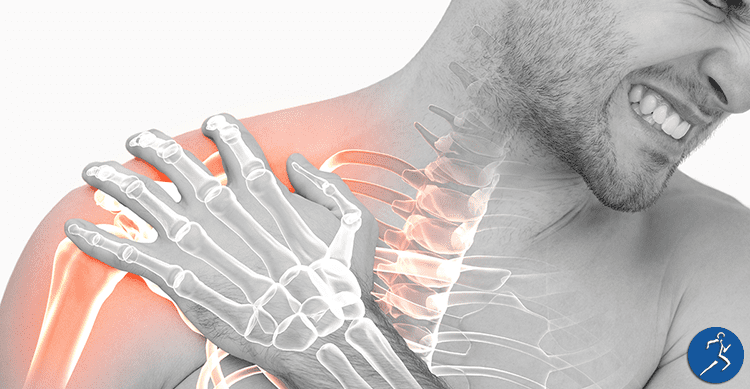
These are the conditions where other therapies often stall out – because they’re not addressing the fundamental tissue biology. SoftWave does.
How We Use SoftWave in Our Office
We don’t just “turn on a machine.”
Every patient begins with:
- A thorough consultation to determine if you’re a good candidate
- An initial mapping session to identify the exact problem areas
- Customized settings for:
- Intensity (based on tissue type and sensitivity)
- Duration (based on area size and condition severity)
- Target tissues (tendons, fascia, nerves, joints, muscle)
We also offer a special introductory visit so you can experience SoftWave and see how your body responds.
Most people notice some level of improvement even after the first session – which helps guide future care and gives us clear direction on frequency and treatment approach.
Ready to See What SoftWave Can Do for Your Chronic Issue?
If you’ve been stuck in the cycle of temporary relief followed by the same pain coming back… if you’ve tried multiple therapies without lasting results… if you’re tired of being told “you’ll just have to manage it”…
SoftWave might be exactly what your body needs to finally break through.
📅 Schedule a SoftWave Consultation & Mapping Session: https://calendly.com/drjustinlee/softwave-scheduling
📲 Prefer to text or call? (612) 470-9210 (Text anytime or leave a voicemail – I return calls within 12 hours)
Your body has more healing potential than you’ve been led to believe. Sometimes it just needs the right signal.
– Dr. Justin Lee, D.C. Minnetonka Family Chiropractic 📍 Serving Minnetonka, Hopkins, and the greater Twin Cities area
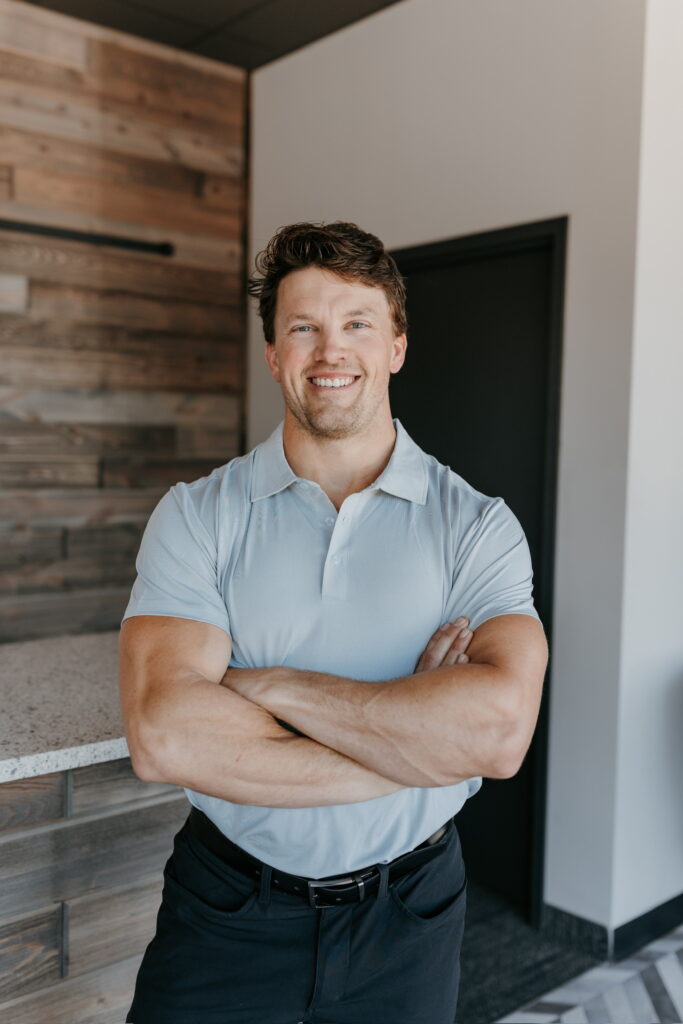
Dr. Justin Lee, D.C.
Doctor of Chiropractic & Holistic Health
Dr. Justin Lee is a passionate chiropractor who believes in the innate healing potential within you. This passion stems from a personal experience in collegiate hockey, competitive CrossFit, and a relentless pursuit to holistically optimize performance and recovery. His professional mission is to help as many individuals and families as possible uncover the path to true health. He is dedicated to guiding them on how to integrate lifestyle changes for a sustainable and healthier future. All of which shapes his unique approach to personalized chiropractic care.
You are one ‘aJUSTINment’ away from a healthier life.

get to know me

