Dr.'s Blog
Your Immune System Isn’t Broken—It’s Just Not Getting the Right Signals
November 27, 2025
Your Nervous System and Immune System Aren’t Neighbors—They’re Business Partners
(This Changes Everything About How We Heal)
By Dr. Justin Lee, DC
I had a patient come in last week who’d been battling chronic sinus infections for two years straight. Antibiotics would knock them back for a few weeks, then they’d return. Her doctor told her she just had “bad luck” with her immune system. Her allergist said it was environmental. Her ENT wanted to do surgery.
But here’s what nobody had looked at: her upper cervical spine was a mess, her posture was pulling her head three inches forward, and her nervous system was basically stuck in permanent stress mode.
After three weeks of specific adjustments focused on restoring proper alignment and nervous system function, her sinus issues cleared up. Not because I “fixed her sinuses”—but because we addressed the communication breakdown between her nervous system and immune system.
I’ve been saying for years that when you optimize nervous system function, the whole body responds—including immunity. Patients have experienced it. I’ve observed it clinically thousands of times over 8 years of practice. But conventional medicine has largely dismissed this connection as “anecdotal” or “alternative.”
Well, the science just caught up.
A landmark study published in Nature Reviews Immunology this year (2025) just provided the biological proof for what chiropractors have been observing for over a century: your nervous system and immune system aren’t just connected—they’re in constant, bidirectional conversation that determines how you heal, how you resist disease, and how you adapt to stress.
This isn’t fringe science. This is Nature—one of the most prestigious scientific journals on the planet. And the implications are massive.
The Old Model Was Wrong
For decades, medical education has taught doctors to think about body systems in isolation. Neurologists handle the brain and nerves. Immunologists handle infections and inflammation. Rarely do the two specialties talk to each other, and even more rarely do they consider how one fundamentally influences the other.
The result? A healthcare system that treats symptoms in isolation without addressing the master control system that coordinates everything: your nervous system.
Think about the typical medical approach to someone who gets sick frequently:
- Infections? Here’s an antibiotic.
- Inflammation? Here’s a steroid.
- Autoimmune issues? Here’s an immunosuppressant.
But nobody’s asking: Why is the immune system malfunctioning in the first place? What’s disrupting the communication?
This new research provides the answer—and it fundamentally changes how we need to approach health.
What the 2025 Study Actually Revealed
The research team, led by Pinho-Ribeiro and colleagues, mapped out the sophisticated communication network between your nervous system and immune system. Here’s what they found:
Your brain is constantly monitoring immune activity in real time.
Specialized sensory neurons throughout your body detect inflammation, cytokine release, pathogen presence, and tissue damage—then relay that information back to the brain. Your nervous system isn’t just passively receiving these signals; it’s actively using them to adjust immune responses.
This means every time you have local inflammation—whether it’s in your gut, your joints, your sinuses, or your spine—your brain knows about it and responds accordingly.
Here’s where it gets fascinating: the communication runs both ways.
Your brain directly regulates immune activity through neural pathways.
The study identified several major control circuits:
- The vagus nerve acts as your body’s primary anti-inflammatory reflex. When activated properly, it reduces inflammatory cytokines like TNF-α and IL-6.
- Sympathetic nervous system output mobilizes immune cells and determines where they go in your body.
- Spinal cord circuits directly modulate cytokine production and immune cell behavior.
- Dorsal root ganglia (nerve clusters along your spine) influence local immune responses in nearby tissues.
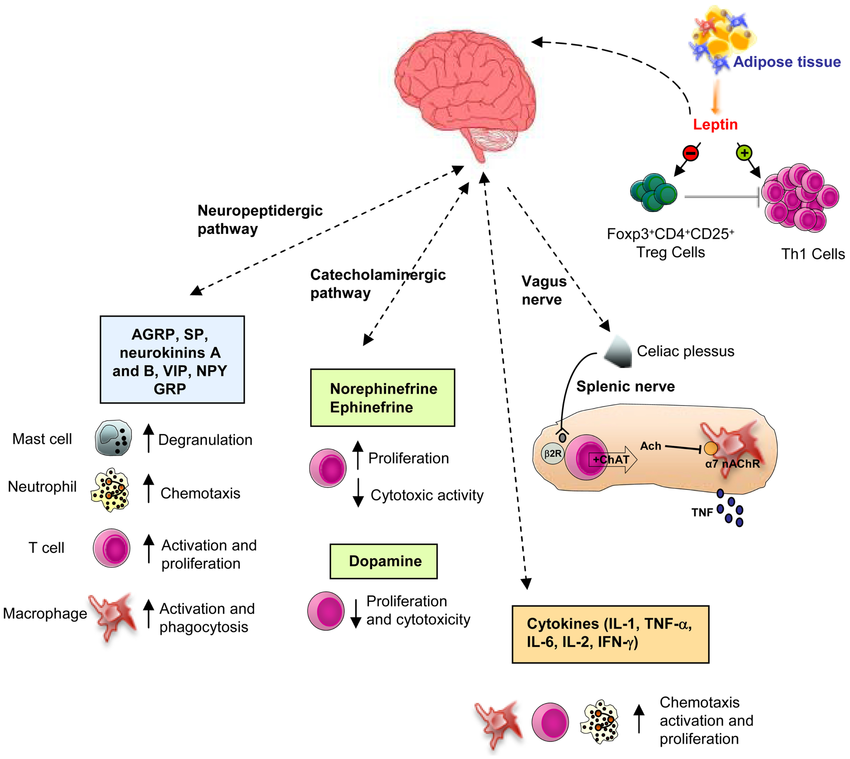
This isn’t theoretical. This is measurable, observable biology happening in your body right now. Every second, of every day.
And here’s the part that should make every person with chronic health issues sit up and pay attention: immune cells have receptors for neurotransmitters.
T cells, B cells, macrophages, and other immune cells have built-in receptors for:
- Norepinephrine (your stress neurotransmitter)
- Acetylcholine (your calming neurotransmitter)
- Dopamine (your motivation neurotransmitter)
- GABA (your relaxation neurotransmitter)
- Various neuropeptides
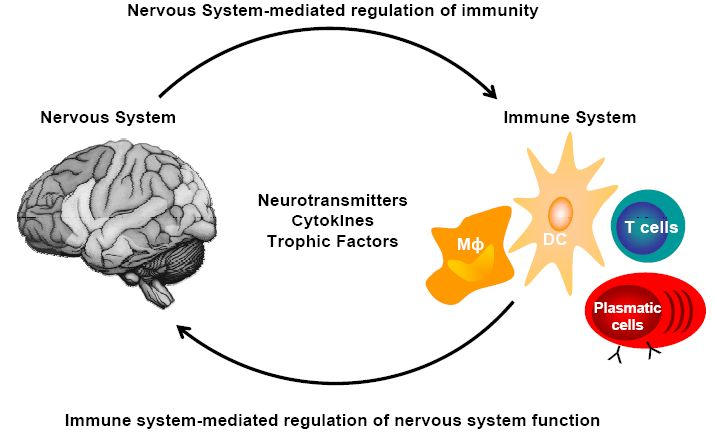
What this means: your immune system literally listens to your nervous system. When your nervous system is functioning optimally, your immune system gets clear, accurate signals. When your nervous system is stressed, inflamed, or receiving distorted input from spinal misalignments, those corrupted signals directly impact immune function.
The Feedback Loop Nobody’s Talking About
The study also revealed something even more significant: chronic immune activation changes how your brain works.
When your immune system is constantly fighting inflammation—whether from poor diet, chronic stress, gut dysfunction, or structural problems—it sends signals back to the brain that alter:
- Pain processing (making you more sensitive to pain)
- Mood regulation (contributing to anxiety and depression)
- Cognitive function (causing brain fog and difficulty concentrating)
- Stress responses (making you more reactive)
- Autonomic regulation (disrupting sleep, digestion, and recovery)
This explains something I see constantly in practice: people with chronic inflammation often struggle with multiple seemingly unrelated issues—chronic pain, digestive problems, mood issues, poor sleep, frequent illness. It’s not bad luck. It’s a communication breakdown between the nervous and immune systems creating a cascade of dysfunction.
The Chiropractic Connection (And Why This Research Validates Our Approach)
For over 100 years, chiropractors have maintained that spinal alignment directly influences overall health—not just back pain. We’ve observed that when we correct spinal misalignments and restore proper nervous system function, patients experience improvements that go far beyond musculoskeletal symptoms.
People report:
- Getting sick less frequently
- Recovering faster from illness
- Better energy levels
- Improved digestion
- Reduced inflammation
- Better stress resilience
- Enhanced overall well-being
The conventional medical response has often been skepticism: “How could adjusting the spine affect the immune system? That doesn’t make sense.”
This research explains exactly how.
Spinal misalignment creates mechanical stress that disrupts the nervous system’s ability to communicate with the immune system. When vertebrae are out of proper alignment, several things happen:
- Distorted sensory input: Mechanoreceptors in spinal joints send corrupted information to the brain about body position and stress.
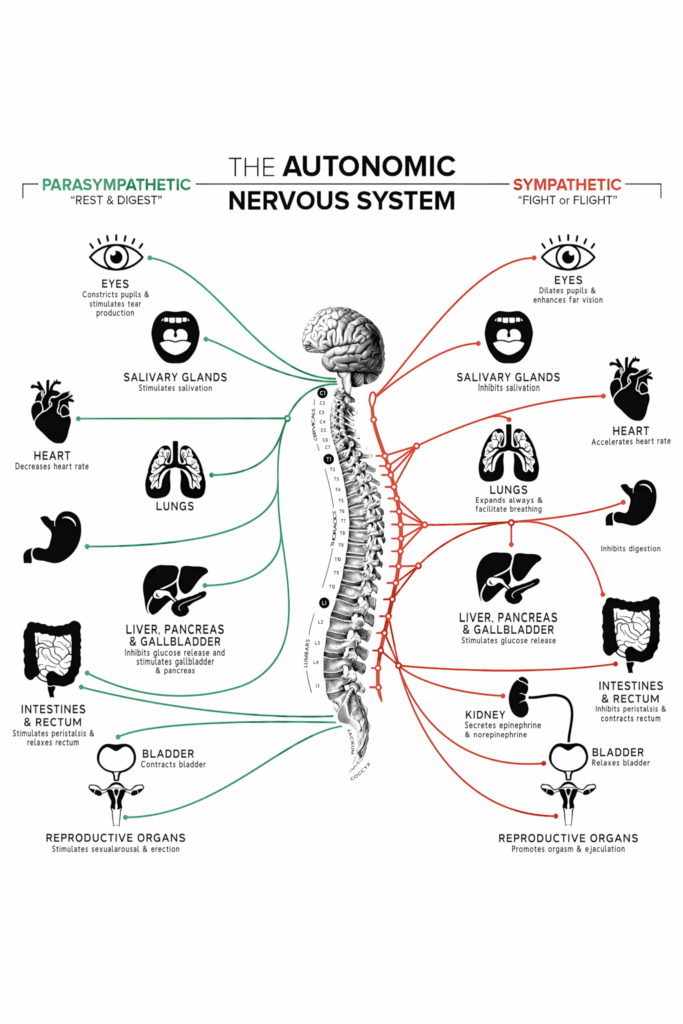
- Altered autonomic output: The sympathetic and parasympathetic nervous systems (which control unconscious functions like immune activity) lose proper balance.
- Reduced vagal tone: The vagus nerve—your primary anti-inflammatory neural pathway—functions less efficiently, especially when the upper cervical spine (neck) is misaligned.
- Increased inflammatory signaling: Chronic mechanical stress triggers local inflammation, which feeds back to the brain and amplifies systemic inflammation.
- Impaired immune cell trafficking: Movement is essential for immune cell circulation. When spinal joints lose proper motion, local immune function suffers.
When we correct these misalignments through specific chiropractic adjustments, we’re not just “cracking backs”—we’re restoring the quality of communication between the nervous system and immune system.
The Research Backing This Up
This isn’t just chiropractic theory anymore. There’s measurable evidence:
A 2021 study published in Brain, Behavior, and Immunity showed that spinal manipulation:
- Increases IgA (an important immune antibody)
- Decreases inflammatory markers
- Improves immune cell activity
Research by Kevin Tracey demonstrated the “cholinergic anti-inflammatory pathway”—showing that vagus nerve stimulation directly reduces inflammatory cytokines like TNF-α. Chiropractic adjustments, particularly in the cervical spine, have been shown to enhance vagal tone.
Studies on natural killer (NK) cells—your body’s first-line defense against cancer and viruses—have shown increased activity following chiropractic care.
Research published in Journal of Manipulative and Physiological Therapeutics found that chiropractic patients showed improved phagocytic activity (the ability of immune cells to engulf and destroy pathogens).
The science is there. It’s just been scattered across different fields—neurology, immunology, biomechanics—without anyone connecting the dots. This 2025 Nature paper brings it all together.
What Disrupts This Neuro-Immune Communication?
Understanding what breaks down this vital communication helps us know what to fix. Here are the major disruptors:
Chronic Psychological Stress
When you’re under constant stress, your sympathetic nervous system stays in overdrive. Research shows this:
- Decreases natural killer cell activity
- Reduces lymphocyte function
- Increases inflammatory cytokines
- Suppresses antibody production
Your immune system literally can’t function properly when you’re stuck in fight-or-flight mode.
Structural Stress (Poor Posture, Spinal Misalignment)
Forward head posture—where your head sits inches in front of your shoulders—creates massive mechanical stress on the cervical spine. This compresses nerve pathways and reduces vagal tone, directly impairing your body’s primary anti-inflammatory circuit.
I wrote an entire article recently about how forward head posture affects everything from breathing to hormones. The immune connection is another critical piece.
Poor Sleep Quality
Sleep is when your nervous system resets and your immune system regenerates. Studies show that even a single night of poor sleep can reduce immune function by up to 30%. Chronic sleep deprivation:
- Impairs T cell function
- Reduces antibody response
- Increases inflammatory markers
- Disrupts circadian immune rhythms
Nutritional Deficiencies
Your nervous system and immune system both require specific nutrients to communicate effectively:
- Omega-3 fatty acids: Essential for reducing inflammation and supporting nerve function
- Vitamin D: Critical for immune cell maturation and nervous system health
- B vitamins: Necessary for neurotransmitter production and nerve signaling
- Magnesium: Required for nervous system relaxation and immune function
- Zinc: Essential for immune cell development and neural signaling
When you’re deficient in these nutrients, both systems suffer—and their ability to communicate deteriorates.
Gut Dysfunction
Here’s a connection most people miss: approximately 80% of your immune system lives in your gut. The gut communicates with the brain via the vagus nerve and through immune signaling molecules.
When gut health is compromised—through poor diet, chronic stress, antibiotic overuse, or inflammation—the resulting immune dysfunction feeds back to the brain, creating a vicious cycle of inflammation and nervous system dysregulation.
Chronic Inflammation
Whether from diet, environmental toxins, chronic infection, or unresolved injuries, persistent inflammation alters how your nervous system processes information. The study showed that chronic immune activation literally changes brain function—affecting mood, cognition, pain sensitivity, and stress responses.
How Chiropractic Addresses the Root of the Problem
This research validates why chiropractic care produces such broad-ranging benefits. When we address spinal alignment and nervous system function, we’re influencing the master control system that coordinates immune responses.
Here’s what specific chiropractic adjustments accomplish:
Restore Proprioceptive Input
Every adjustment sends high-quality sensory information to the brain, helping it understand where your body is in space and how it’s functioning. This accurate input allows the brain to regulate autonomic functions—including immune activity—more effectively.
Reduce Sympathetic Dominance
Chronic stress overstimulates your fight-or-flight system, which suppresses immune function. Adjustments help restore balance between sympathetic (stress) and parasympathetic (rest-and-digest) nervous system activity.
Research shows that chiropractic care can improve heart rate variability (HRV)—a key marker of autonomic balance and nervous system health.
Activate Anti-Inflammatory Pathways
Upper cervical adjustments specifically enhance vagal tone—activating your body’s natural anti-inflammatory reflex. This is why many patients notice improvements in conditions far removed from their spine: better digestion, reduced allergy symptoms, improved sleep, enhanced mood.
Improve Movement and Immune Cell Circulation
Your immune system relies on movement to circulate immune cells throughout the body. Spinal joints that are restricted or misaligned create areas of stagnation. Adjustments restore proper motion, which directly improves immune cell trafficking and local immune function.
Support Neuroplasticity
Research shows that chiropractic adjustments influence brain activity in regions responsible for motor control, sensory processing, and autonomic regulation. By improving how the brain processes information, we create the foundation for better whole-body function—including immune responses.
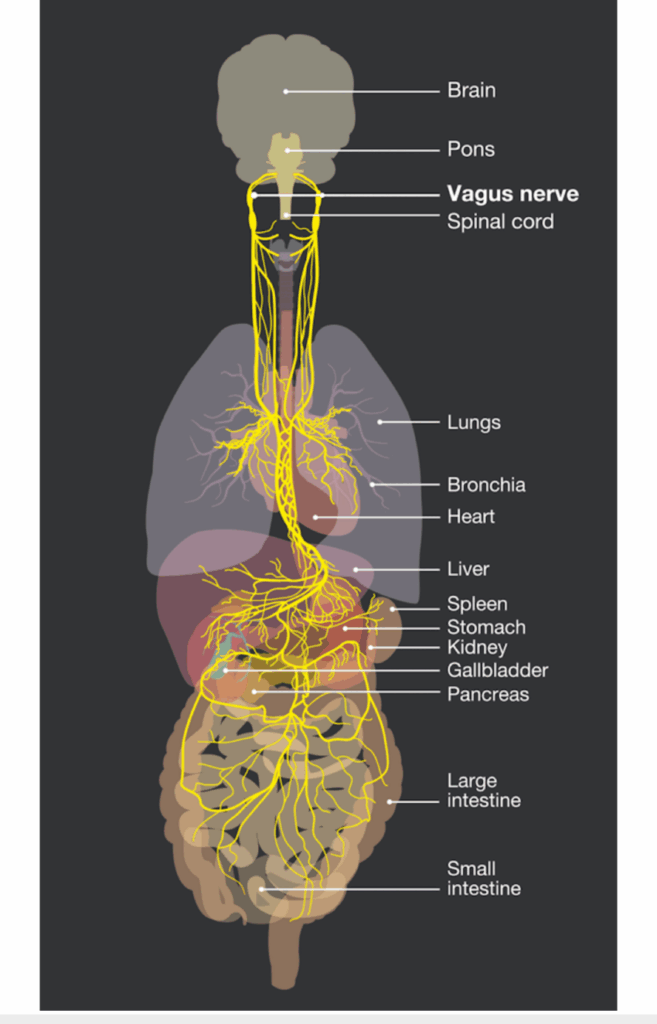
Take a look at this: YOUR VAGUS NERVE
Just one nerve that innervates most of your vital organs, controlling your parasympathetic response.
The Bigger Picture: You’re Not Broken
This research reinforces something I tell patients every day: you’re not broken. Your body has an incredible capacity to heal when the right conditions are present.
If you’re struggling with:
- Frequent illness
- Chronic inflammation
- Autoimmune issues
- Poor recovery from injuries
- Persistent pain
- Low energy
- Digestive problems
- Mood issues
…the problem might not be that your immune system is “defective” or that you need more medications. The problem might be a communication breakdown between your nervous system and immune system.
When we address the structural, neurological, and lifestyle factors that disrupt this communication, the body can do what it was designed to do: adapt, heal, and thrive.
Beyond the Adjustment Table: The Complete Approach
While chiropractic adjustments are foundational for restoring neuro-immune communication, the complete picture includes addressing all the factors that influence this system:
Structural Correction
- Specific spinal adjustments to restore alignment and nervous system function
- Postural rehabilitation to reduce chronic mechanical stress
- Movement training to maintain proper joint function
Stress Management
- Breathing exercises to activate parasympathetic pathways
- Mindfulness practices to reduce sympathetic overdrive
- Adequate rest and recovery to support nervous system health
Nutrition Optimization
- Anti-inflammatory diet emphasizing whole foods
- Strategic supplementation to address deficiencies
- Gut health support to optimize immune function
Sleep Quality
- Proper sleep environment and habits
- Addressing underlying factors disrupting sleep
- Consistent sleep-wake patterns to support circadian immune function
Movement and Exercise
- Regular physical activity to support immune cell circulation
- Strength training to maintain structural integrity
- Balance and coordination work to enhance proprioceptive input
This holistic approach addresses the nervous system-immune system connection from every angle, creating the optimal conditions for your body to heal and adapt.
What This Means for Your Health
Understanding this nervous system-immune system connection fundamentally changes how we approach health challenges.
Instead of asking “What medication can suppress this symptom?” we need to ask:
- What’s disrupting the communication between my nervous and immune systems?
- How can I optimize nervous system function?
- What structural, nutritional, or lifestyle factors are interfering with my body’s natural healing capacity?
The answers to these questions create a roadmap not just for managing symptoms, but for restoring optimal function and building genuine resilience.
Doesn’t this just … FEEL more comprehensive than the standard approach out there? Doesn’t your soul just jive with this better?? Thought so 😉
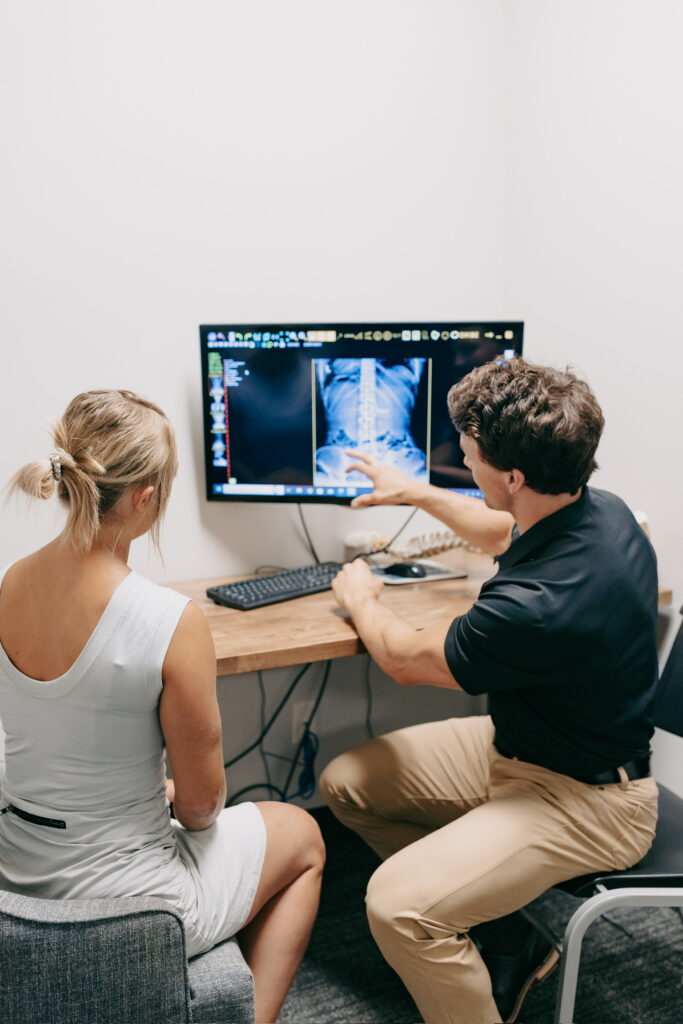
This is why I spend 35-50 minutes on initial consultations, take comprehensive X-rays, and assess your complete health history. I need to understand how your nervous system is functioning and what factors might be disrupting neuro-immune communication.
The goal isn’t to chase symptoms. The goal is to restore the foundation—optimal nervous system function—so your body can regulate, adapt, and heal the way it was designed to.
The Science Has Caught Up
For over a century, chiropractic has maintained that spinal health influences overall health through nervous system function. We’ve observed it clinically. Patients have experienced it. But the research hasn’t always been there to explain the mechanisms.
This 2025 study in Nature Reviews Immunology provides the biological explanation for what we’ve been seeing all along. Your nervous system and immune system are inseparable partners in health. When you optimize one, you optimize the other.
The old model of treating body systems in isolation is outdated. The new model recognizes what chiropractors have always known: the body is an integrated whole, and the nervous system is the master coordinator.
When we address the foundation—structural alignment, nervous system function, and the factors that influence neuro-immune communication—we create the conditions for genuine healing, not just symptom management.
Ready to optimize the connection between your nervous and immune systems?
Schedule a comprehensive consultation at Minnetonka Family Chiropractic. Let’s assess your nervous system function, identify what’s disrupting optimal communication, and create a plan that addresses the root causes—not just the symptoms.
Dr. Justin Lee, DC
Minnetonka Family Chiropractic
11349 MN-7, Minnetonka, MN 55305
(952) 229-8750
drjustinlee.com
Your body knows how to heal. Let’s remove the interference and restore the communication.
References
- Pinho-Ribeiro FA, Bateup HS, Chiu IM. Connection and communication between the nervous and immune systems. Nature Reviews Immunology. 2025. https://doi.org/10.1038/s41577-025-01199-6
- Tracey KJ. The inflammatory reflex. Nature. 2002;420(6917):853-859.
- Innes SI, Leboeuf-Yde C, Walker BF. Similarities and differences of graduate entry-level competencies of chiropractic councils on education: a systematic review. Chiropractic & Manual Therapies. 2021;29:5.
- Teodorczyk-Injeyan JA, McGregor M, Triano JJ, Injeyan SH. Elevated production of neuropeptides and interleukin-2 by spinal manipulative therapy in chronic low back pain patients. Brain, Behavior, and Immunity. 2021;91:S0889-1591.
- Haavik H, Murphy B. The role of spinal manipulation in addressing disordered sensorimotor integration and altered motor control. Journal of Electromyography and Kinesiology. 2012;22(5):768-776.
- Brennan PC, Graham MA, Triano JJ, Hondras MA, Anderson RJ. Enhanced phagocytic cell respiratory burst induced by spinal manipulation: potential role of substance P. Journal of Manipulative and Physiological Therapeutics. 1991;14(7):399-408.
- Besedovsky L, Lange T, Haack M. The sleep-immune crosstalk in health and disease. Physiological Reviews. 2019;99(3):1325-1380.
- Calder PC. Omega-3 fatty acids and inflammatory processes: from molecules to man. Biochemical Society Transactions. 2017;45(5):1105-1115.
- Furness JB, Kunze WA, Clerc N. Nutrient tasting and signaling mechanisms in the gut II. The intestine as a sensory organ: neural, endocrine, and immune responses. American Journal of Physiology. 1999;277(5):G922-928.
- Thayer JF, Yamamoto SS, Brosschot JF. The relationship of autonomic imbalance, heart rate variability and cardiovascular disease risk factors. International Journal of Cardiology. 2010;141(2):122-131.
Dr. Justin Lee, D.C.
Doctor of Chiropractic & Holistic Health
Dr. Justin Lee is a passionate chiropractor who believes in the innate healing potential within you. This passion stems from a personal experience in collegiate hockey, competitive CrossFit, and a relentless pursuit to holistically optimize performance and recovery. His professional mission is to help as many individuals and families as possible uncover the path to true health. He is dedicated to guiding them on how to integrate lifestyle changes for a sustainable and healthier future. All of which shapes his unique approach to personalized chiropractic care.
You are one ‘aJUSTINment’ away from a healthier life.

get to know me

